Looking for a place that feels tucked away yet minutes from everything? On Indy’s northside, Meridian Hills blends mature trees, winding streets, and understated elegance with quick access to the city’s best shopping and restaurants. If you want a calm, residential setting without giving up convenience, this guide shows you what makes Meridian Hills tick, what homes look like, and how the market behaves. Let’s dive in.
Meridian Hills at a glance
Meridian Hills is an incorporated town on Indianapolis’s northside inside Washington Township, roughly 7 to 8 miles north of Monument Circle. It is an “included town” within Unigov, which helps explain why it retains local governance while being part of Marion County’s broader structure. For a quick primer on the town’s location and background, see the summary on Meridian Hills, Indiana.
With a population near 1,700 and an area of about 1.4 to 1.5 square miles, the town reads small and primarily residential. Household income and property values trend high for Marion County. According to Data USA’s 2023 profile, median household income is around $205,982 and the median property value is about $637,800.
Pricing signals confirm its luxury lean. Zillow’s neighborhood index for Meridian Hills shows a typical home value in the low 700s as of 2025, a directional figure you can view on the Zillow ZHVI page. A June 2025 Rocket market report listed the median sold price near $742,500. Treat these as ballpark indicators. Individual properties vary widely based on lot size, level of renovation, and historical importance. For real-time pricing, use live MLS data and a local broker’s guidance.
Why “quiet luxury” fits
Meridian Hills took shape in the 1920s and 1930s as a country-like residential area for affluent Indianapolis families, with incorporation in 1937 to preserve its residential character. That origin story still shows: larger lots, a mature tree canopy, and civic priorities centered on privacy and residential use. You can find more historical context in the town’s Encyclopedia of Indianapolis entry.
The Meridian Hills Country Club, founded in 1923, has long been a social hub and landscape anchor. Its golf course and club culture have shaped neighborhood life for generations. Explore the club’s timeline on the Meridian Hills Country Club history page. Park Tudor’s nearby campus presence and local churches further reinforce a “campus-style” rhythm to community life. The result is a setting that feels leafy and low-key, with civic structures built to protect that character.
Homes and architecture
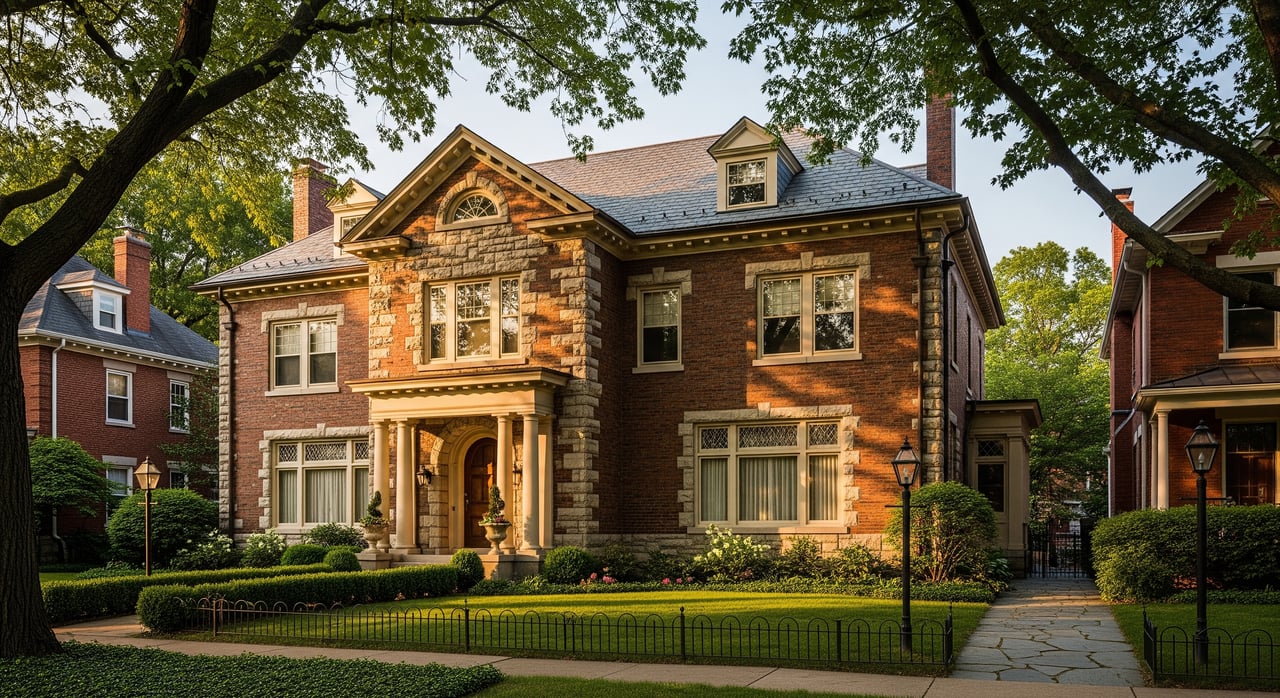
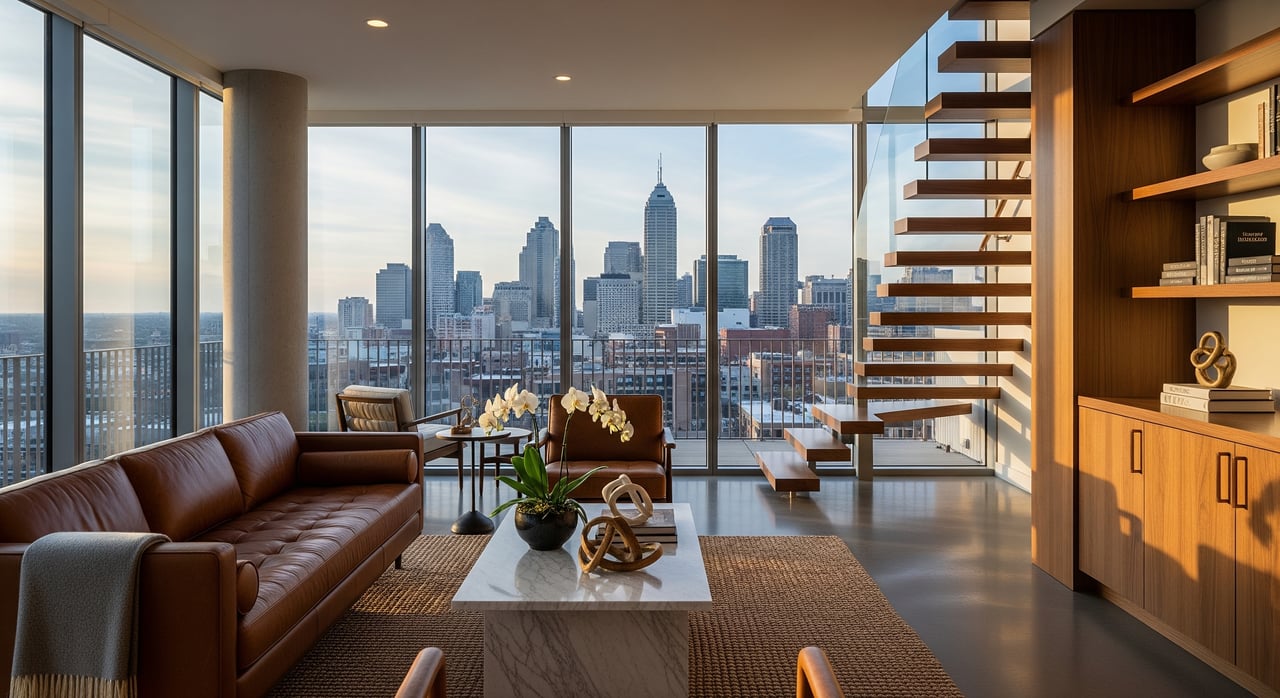
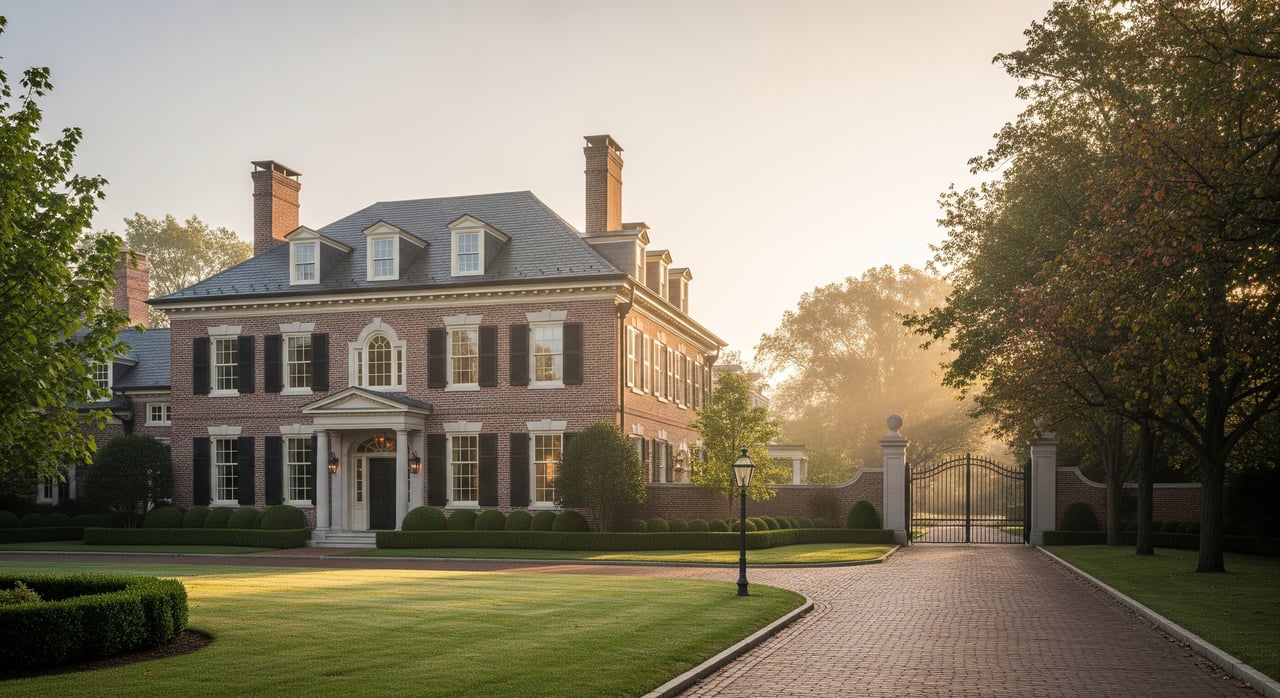
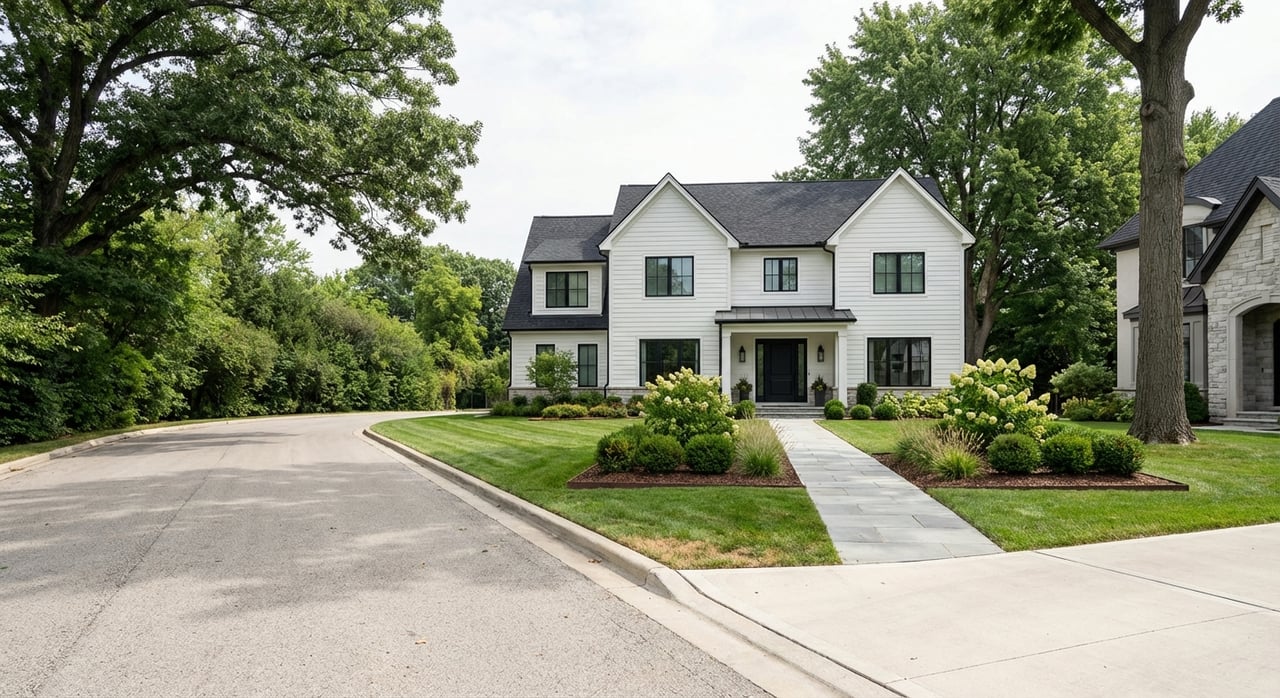
Housing here reflects its early 20th-century roots. Expect period-revival and early-20th-century homes on estate-scale lots alongside selective mid-century or contemporary infill. Many properties feature long setbacks, mature landscaping, and privacy that is hard to find closer to downtown.
Because the town is largely built out, most change happens through additions, renovations, or occasional infill. Meridian Hills maintains a Development Standards Committee that reviews projects for setbacks, drainage, and scale to preserve neighborhood character. If you are planning a remodel or considering a rebuild, start with the town’s governance and committee information.
The net effect for buyers is a curated, established streetscape with a mix of architectural eras and thoughtful updates. For sellers, it means presentation matters. Classic homes shine when architectural details, landscaping, and interiors are dialed in.
Parks, trails, and access
The outdoors is a daily part of life here. Holliday Park sits just to the west, with wooded trails, a nature center, and community programming that make it a go-to for northside residents. Learn more about activities and seasonal programming at Holliday Park.
For longer rides or runs, the Fall Creek Trail connects into the city’s greenway network. While Meridian Hills is intentionally residential, you are minutes from major shopping and dining. Keystone at the Crossing and the Fashion Mall offer a concentrated retail and restaurant scene. Explore the district via the Fashion Mall at Keystone overview. Broad Ripple’s dining and cultural options are a quick drive, and downtown Indianapolis is roughly 8 miles south.
Schools and enrollment
Local school options are a common draw. Meridian Hills is served by the MSD of Washington Township for public education, and Park Tudor School offers a prominent private PK–12 option nearby. Public school assignments are address specific, so verify your enrollment details through MSD Washington Township. Private school admissions vary by program and year.
How it compares nearby
Meridian Hills vs Meridian-Kessler
Meridian Hills is smaller, more uniformly residential, and was designed around larger, estate-like lots. Meridian-Kessler, closer to mid-north Meridian Street, is more urban in texture, with a broader mix of architectural styles and distinct commercial nodes. Think secluded and inward-focused in Meridian Hills, versus historic and walkable in Meridian-Kessler.
Meridian Hills vs Williams Creek
Williams Creek, the adjacent included town, is even smaller and similarly focused on privacy and residential zoning. Both communities value a calm, wooded setting and local governance that preserves character. Meridian Hills offers a slightly broader mix of lot sizes and home eras.
Meridian Hills vs Carmel and Geist
Carmel and Geist are larger, newer suburban areas with significant commercial centers and varied housing types such as townhomes, newer subdivisions, and waterfront options at Geist. Meridian Hills is an older, established enclave defined by mature landscaping, original lot patterns, and a classic country-club backdrop.
Who this area fits
You may feel at home in Meridian Hills if you value:
- A quiet, residential setting with mature trees and larger lots.
- A neighborhood fabric shaped by country-club culture and nearby campus institutions.
- Quick drives to shopping, dining, and downtown without living near busy commercial corridors.
- Homes with historical character, thoughtful updates, and room for design-driven living.
Buying or selling here
If you are buying, expect limited active inventory at any one time and wide variation by lot size, renovation level, and location on the street grid. Pre-approval and a clear plan for inspections, design updates, and exterior approvals can help you move quickly on the right home.
If you are selling, presentation is your leverage. In a neighborhood where architecture and landscaping are part of the lifestyle, professional staging, curated photo and video, and polished collateral help your home stand out and command stronger offers. A design-led strategy with broad digital distribution aligns well with how Meridian Hills buyers shop and compare.
Curious how this would work for your property or search? Reach out to Rob Ertel for a boutique, high-touch plan built around Meridian Hills and the northside market.
FAQs
What and where is Meridian Hills in Indianapolis?
- Meridian Hills is an incorporated town on Indy’s northside in Washington Township, about 7 to 8 miles north of Monument Circle, known for its residential, wooded setting.
How much do homes cost in Meridian Hills today?
- Public indexes show higher-end pricing, with Zillow’s 2025 index in the low 700s and a June 2025 Rocket report at a median sold price near $742,500, with wide variation by property.
What types of homes are common in Meridian Hills?
- Early 20th-century period-revival homes on larger lots are common, with selective mid-century and contemporary infill plus high-quality renovations and additions.
Are there parks or trails near Meridian Hills?
- Yes, Holliday Park is close for trails and programs, and the Fall Creek Trail ties into the city’s greenway network for biking and running.
Which schools serve Meridian Hills addresses?
- Meridian Hills falls within MSD Washington Township for public schools, and Park Tudor offers a private PK–12 option; public assignments are address specific.
Are there guidelines for remodeling or building in Meridian Hills?
- Yes, the town’s Development Standards Committee reviews projects for setbacks, drainage, and scale to preserve neighborhood character, so plan ahead before you build or remodel.