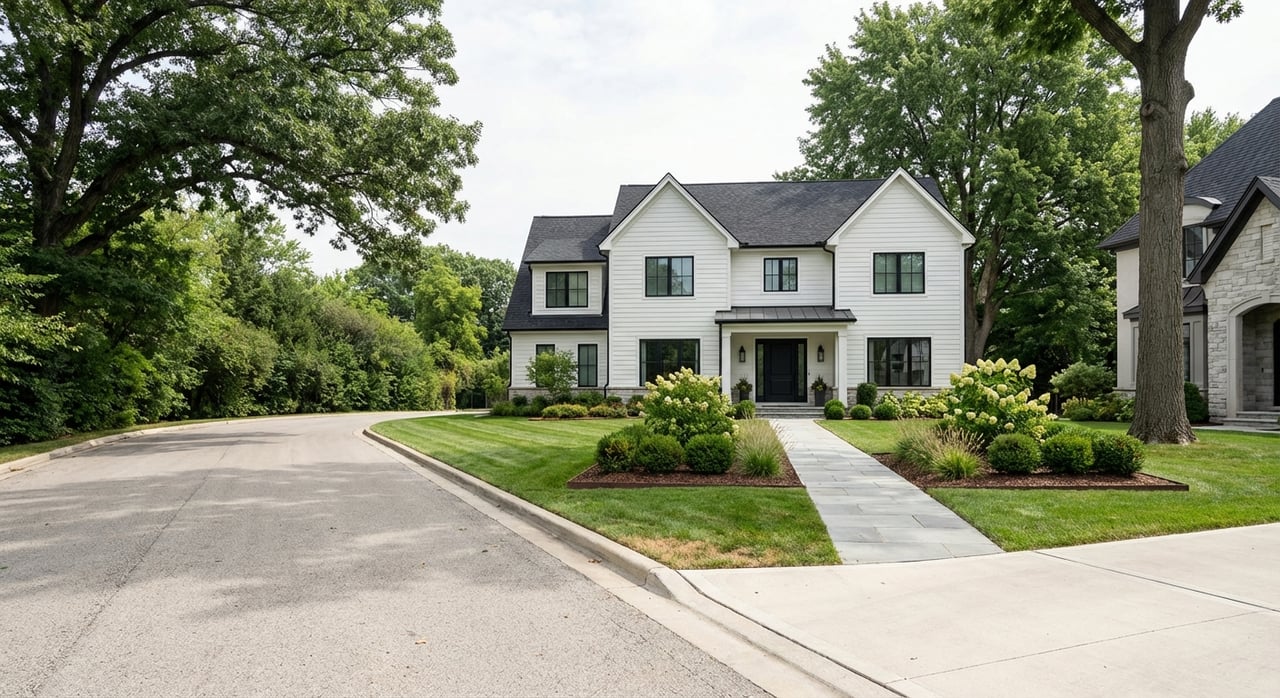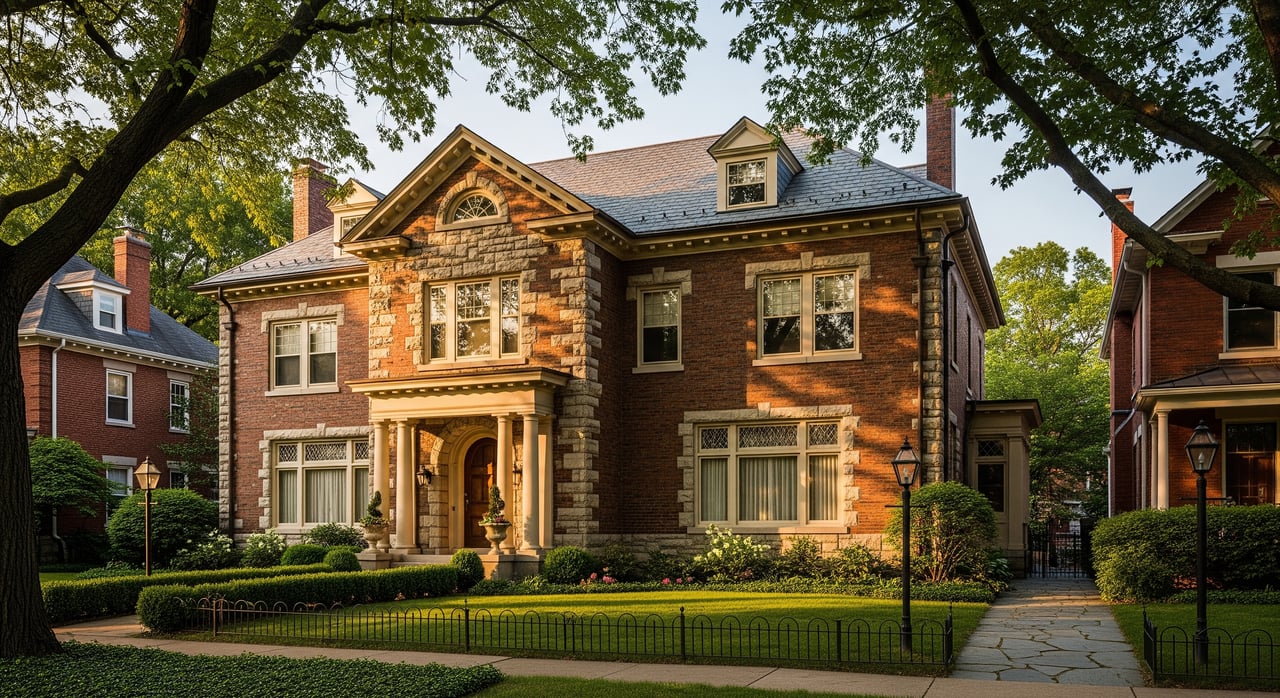
Torn between a sleek downtown condo and a quiet suburban home near Carmel, Fishers, or Zionsville? You are not alone. The choice often comes down to daily lifestyle, commute rhythm, long‑term costs, and resale plans. In this guide, you will get a clear, local framework to compare both paths, a fill‑in worksheet to total your true monthly cost, and practical prompts to help you decide with confidence. Let’s dive in.
Downtown vs suburbs at a glance
If you prize walkable coffee runs, restaurants, and events, downtown living is hard to beat. Median condo values in the downtown core often sit in the low to mid $300Ks in recent snapshots, which makes condos a compelling alternative to high‑service suburban homes at higher price points. Downtown rents commonly hover around the upper teens per month, which some buyers weigh against ownership costs.
In the suburbs, many buyers focus on space, yards, and a quieter residential setting. Median sale prices often track higher than the urban core. Fishers has been in the low to mid $400Ks in recent periods, while Carmel and Zionsville frequently report medians in the mid $500Ks to $600K range. Your specific target neighborhood will shape both price and pace.
Lifestyle trade‑offs that matter
Walkability and daily convenience
Downtown Indianapolis offers a highly walkable environment, with central blocks scoring very well on Walk Score. If you want errands, dining, and nightlife within a short stroll, this is a clear advantage. Many suburban areas are more car‑oriented, with longer drives between destinations. You can explore how walkable a specific address feels using Walk Score’s mapping tools on the downtown core’s location page at Walk Score.
Commute rhythm and reliability
Average travel‑to‑work times across Marion and Hamilton counties tend to land in the mid‑20 minutes range, but your real experience depends on your exact start and end points, parking, and peak‑hour traffic. For many buyers, reliability is as important as raw minutes. Downtown living can remove parking headaches for city workers, while a suburban location can deliver a predictable drive if you commute off‑peak. For county‑level context, review Hamilton County’s commute data on CensusReporter.
Transit options and coverage
IndyGo operates city bus and BRT lines, including the Red Line and planned network updates. Coverage is concentrated within Indianapolis and along specific corridors. Direct, high‑frequency transit from Carmel, Fishers, or Zionsville to downtown is limited, so most suburban commutes remain car‑centric. Check routes, park‑and‑ride options, and schedules on IndyGo.
Amenities and culture
Downtown gives you concentrated access to restaurants, pro sports, the Convention Center, cultural venues, and the Cultural Trail/Canal Walk. Many buildings place you steps from programming and events, with some high‑service residences offering on‑site amenities highlighted by the Downtown Indy guide. Suburbs generally lean into larger parks, community programming, and single‑family amenities like yards and garages.
Cost comparison beyond list price
List price is only one part of your real monthly carry. Use the sections below to build a full picture.
Property taxes and Indiana’s caps
Indiana’s property tax structure includes “circuit‑breaker” caps that limit homestead taxes to 1% of gross assessed value for owner‑occupied residences, with local rates still impacting your final bill. Effective tax rates vary by county and municipality. For exact estimates, start with the state’s overview and then your county assessor. Learn how the caps work on the state’s page, Understanding your tax bill.
HOA and condo dues
Downtown condo dues vary widely. Smaller or older loft buildings might run in the low hundreds per month, while full‑service luxury towers can reach several thousand dollars monthly. The difference often comes from what the dues cover: building insurance, reserves, elevators, amenities, utilities, trash, snow removal, and concierge services. Always ask for the latest budget and a line‑by‑line list of inclusions. In single‑family suburbs, HOAs may be modest or optional depending on the neighborhood, but planned communities can still include monthly or annual dues.
Insurance: condo vs single‑family
As a condo owner, you typically purchase an HO‑6 policy for interior finishes, contents, and liability. The association’s master policy handles the building shell and common areas. For single‑family homes, an HO‑3 policy covers the dwelling and other structures. Premiums can differ based on coverage limits and deductibles. Pay close attention to the master policy’s deductible and whether you need added loss‑assessment coverage, as explained in this overview of condo insurance and master policies.
Maintenance and capital reserves
Single‑family homeowners should budget ongoing upkeep and future capital work. A common rule of thumb sets a reserve at about 1% to 3% of the home’s value per year, with older or larger homes trending higher. Condo owners typically handle interior items while the association addresses exterior systems, roofs, and shared infrastructure through dues. Be mindful that special assessments can occur if reserves are thin or major work is needed.
Parking and transportation costs
Downtown condos offer a range of parking setups: included, assigned with a fee, or access to nearby garages. If you plan to keep a car, confirm the monthly cost and whether spaces are deeded. In the suburbs, a private driveway and garage are common, which can simplify storage and daily routines. Balance that against longer drive times, fuel, and wear‑and‑tear if your workplace is downtown.
Ownership rules and resale factors
What to review in condo and HOA documents
Before you write an offer, request and review the declaration, bylaws, current budget, reserve study, the last 12 months of meeting minutes, and the master insurance policy. These documents outline owner obligations, reserves, rental policies, pet rules, and the risk of special assessments. Clarify whether the master policy is bare‑walls or walls‑in, and confirm any move‑in fees or building‑specific rules.
Short‑term rentals and local registration
If you are weighing short‑term rental potential, Indianapolis requires registration and a permit under local rules, with a defined fee structure. State law allows local registration and regulation for safety and nuisance. Always confirm municipal policy and your HOA’s rules before assuming STR income. See a policy summary on short‑term rental registration in Indianapolis.
Schools, crime data, and resale demand
Many suburban buyers evaluate public school ratings and district reports as part of their decision. You can review district information and school ratings on resources like GreatSchools for Carmel Clay Schools. Crime rates vary by area, and citywide numbers differ from many suburbs. For due diligence, consult official summaries and review block‑level maps near any property you are considering, starting with crime data for Indianapolis. In general, single‑family homes in established suburban districts tend to attract broad buyer pools over time, while downtown condos appeal to professionals, downsizers, and investors. Inventory and new development can influence time‑to‑sale and price movement.
Quick decision checklist
Use the prompts below to clarify priorities. Your answers will steer you toward the best fit.
- What is your maximum door‑to‑door commute time? Record two values: drive and transit.
- How important is walkability for daily life on a 1–10 scale? Scores of 8–10 often point to downtown.
- Do you want to trade yard space for lower maintenance? If yes, condo living can fit.
- Are high‑rated public schools a top priority? If yes, add district filters to your search.
- Do you need guaranteed parking or a private garage? If required, many suburbs make this simple.
- How do you feel about mandatory HOA rules and possible assessments? If you are comfortable, condo options expand.
Fill‑in monthly cost worksheet
Use this worksheet to compare a specific downtown condo against a specific suburban single‑family home. Pull actual numbers from current listings, your lender’s quote, and county resources. For property tax guidance, start with the state overview at Understanding your tax bill.
| Cost item | Downtown condo | Suburban single‑family |
|---|---|---|
| Purchase price (MLS) | ____ | ____ |
| Down payment (% and $) | ____ | ____ |
| Monthly mortgage (principal & interest) | ____ | ____ |
| Property tax (annual ÷ 12) | ____ | ____ |
| HOA/condo dues (monthly, list inclusions) | ____ | ____ |
| Insurance (HO‑6 or homeowners, monthly) | ____ | ____ |
| Maintenance reserve (1%–3% per year ÷ 12) | ____ | ____ |
| Utilities & services (monthly) | ____ | ____ |
| Parking/commute costs (monthly) | ____ | ____ |
| Net monthly housing cost (sum) | ____ | ____ |
Tip: Be precise with HOA inclusions. If dues cover building insurance, water, trash, or amenities, note those offsets. For condos, confirm the master policy deductible and consider loss‑assessment coverage as suggested in this condo insurance guide.
Which option fits you?
- Choose a downtown condo if you value walkability, low‑maintenance living, and quick access to restaurants, sports, and cultural venues. You are comfortable with HOA structures and want a smaller footprint with modern amenities.
- Choose a suburban single‑family if you prioritize more interior space, a yard, and a private garage. You are comfortable driving for most errands and may be weighing specific school districts as part of your plan.
Whichever path you lean toward, the right property should align with your daily routine and your 5‑ to 10‑year goals. If you are selling to make this move, presentation and pricing strategy can significantly shape your net result, which in turn impacts your next purchase.
Ready to compare live options and run real numbers with local insight? Reach out to Rob Ertel for a friendly, data‑forward consultation and a curated list of downtown condos and suburban homes that fit your brief.
FAQs
What is the typical price difference between downtown condos and suburban homes near Indianapolis?
- Recent snapshots often show downtown condo values in the low to mid $300Ks, while many suburban areas like Fishers, Carmel, and Zionsville report higher medians ranging from the low $400Ks to the mid $500Ks and above, depending on the neighborhood.
How much are HOA dues for downtown Indianapolis condos?
- Dues vary widely: smaller or older buildings may be in the low hundreds per month, while full‑service luxury towers can reach several thousand dollars monthly depending on amenities and what utilities/insurance are included.
Are property taxes higher in the city or suburbs for Indianapolis‑area homes?
- Indiana’s homestead cap is 1% of gross assessed value, but effective rates and local levies vary by county and municipality; check the state overview and your county assessor for a property‑specific estimate.
Can I run a short‑term rental in a downtown Indy condo?
- Indianapolis requires STR registration and a permit, and your HOA may have restrictions; verify municipal requirements and building rules before assuming rental income.
How does insurance differ for a condo versus a single‑family home?
- Condo owners typically carry an HO‑6 policy for interiors and contents while the association covers the building; single‑family owners buy dwelling coverage (often HO‑3). Review the condo master policy’s deductible and consider loss‑assessment coverage if needed.